Stroke Awareness
Stroke Warning Signs: Why Every Minute Counts
·
3 min read
·
Heart & Vascular Center

A stroke happens when blood flow to part of the brain is cut off — and brain cells begin to die within minutes. It’s one of the leading causes of death and long-term disability in the United States, yet many strokes are treatable if the person gets to the hospital fast enough.
The problem? Stroke symptoms often don’t hurt. There’s usually no dramatic pain — just sudden changes that are easy to explain away. Knowing what to look for, and acting immediately, can mean the difference between a full recovery and permanent disability.
Remember B.E. F.A.S.T.
The easiest way to recognize a stroke is the acronym B.E. F.A.S.T.:
B — Balance
Sudden loss of balance, dizziness, or trouble walking. If someone suddenly can’t walk a straight line or feels the room spinning, take it seriously.
E — Eyes
Sudden vision changes — blurred vision, double vision, or losing sight in one or both eyes. Vision symptoms are among the most commonly ignored stroke signs.
F — Face Drooping
Ask the person to smile. Does one side of the face droop or feel numb? An uneven smile is a classic warning sign.
A — Arm Weakness
Ask the person to raise both arms. Does one arm drift downward, or feel weak or numb? One-sided weakness is a hallmark of stroke.
S — Speech Difficulty
Ask the person to repeat a simple sentence. Is their speech slurred, garbled, or strange? Are they having trouble finding words or understanding you?
T — Time to Call 911
If you see any of these signs, call 911 immediately — even if the symptoms go away. Note the time the symptoms started; emergency teams will ask, and it determines which treatments are possible.
The “Mini-Stroke” Trap
Sometimes stroke symptoms appear and then vanish within minutes. This may be a transient ischemic attack (TIA), often called a mini-stroke. Because the symptoms resolve, many people never seek care — and that’s a serious mistake. A TIA is a warning shot: a significant number of people who have one go on to have a full stroke, often within days. If you’ve ever had stroke-like symptoms that disappeared, you need a cardiovascular evaluation, not reassurance.
Your Heart and Your Stroke Risk Are Connected
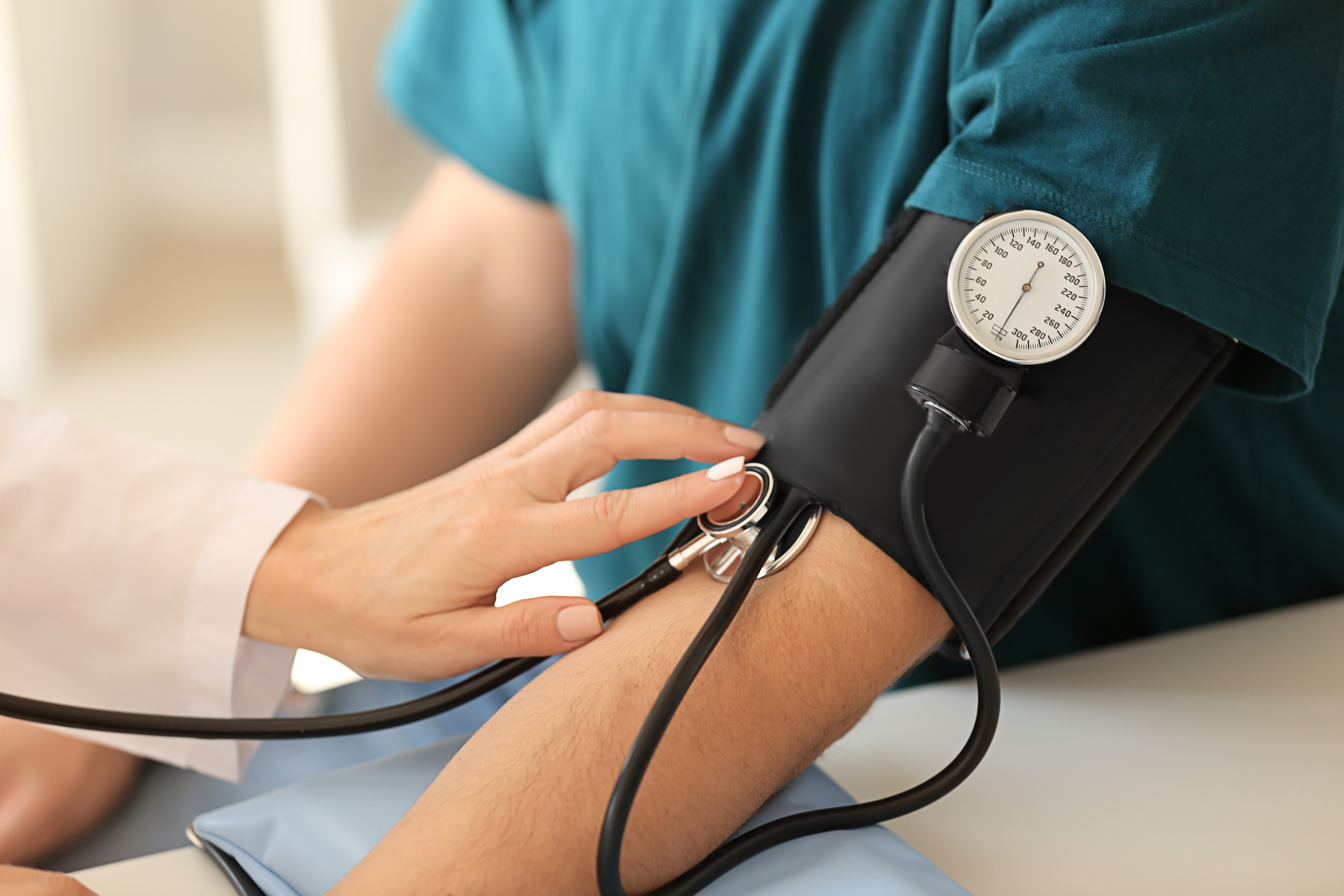
Many strokes start in the heart. Atrial fibrillation — an irregular heart rhythm — allows blood to pool and clot inside the heart; those clots can travel to the brain. High blood pressure, high cholesterol, diabetes, and carotid artery disease all raise stroke risk as well.
The good news: every one of these risk factors can be detected and managed. Rhythm monitoring, vascular ultrasound, and blood pressure management are all part of comprehensive stroke prevention — and all things a cardiologist can coordinate for you.
Don’t Wait for a Warning You Can’t Ignore
If you have risk factors for stroke — or you’ve experienced symptoms you brushed off — schedule an evaluation. Prevention is always better than treatment.
Heart & Vascular Centers of South Florida provides comprehensive cardiovascular care at three convenient locations in Hollywood and Pembroke Pines.
If you believe you or someone near you is having a stroke, call 911 immediately.
This article is for educational purposes only and is not a substitute for professional medical advice, diagnosis, or treatment. Always seek the advice of your physician with any questions regarding a medical condition. If you think you are having a medical emergency, call 911.
Questions about your heart health?
Our cardiology team can help you understand your risk and your next steps.