Heart Health
Understanding Heart Disease in South Florida: Risk Factors, Symptoms & Prevention
·
1 min read
·
Heart & Vascular Center
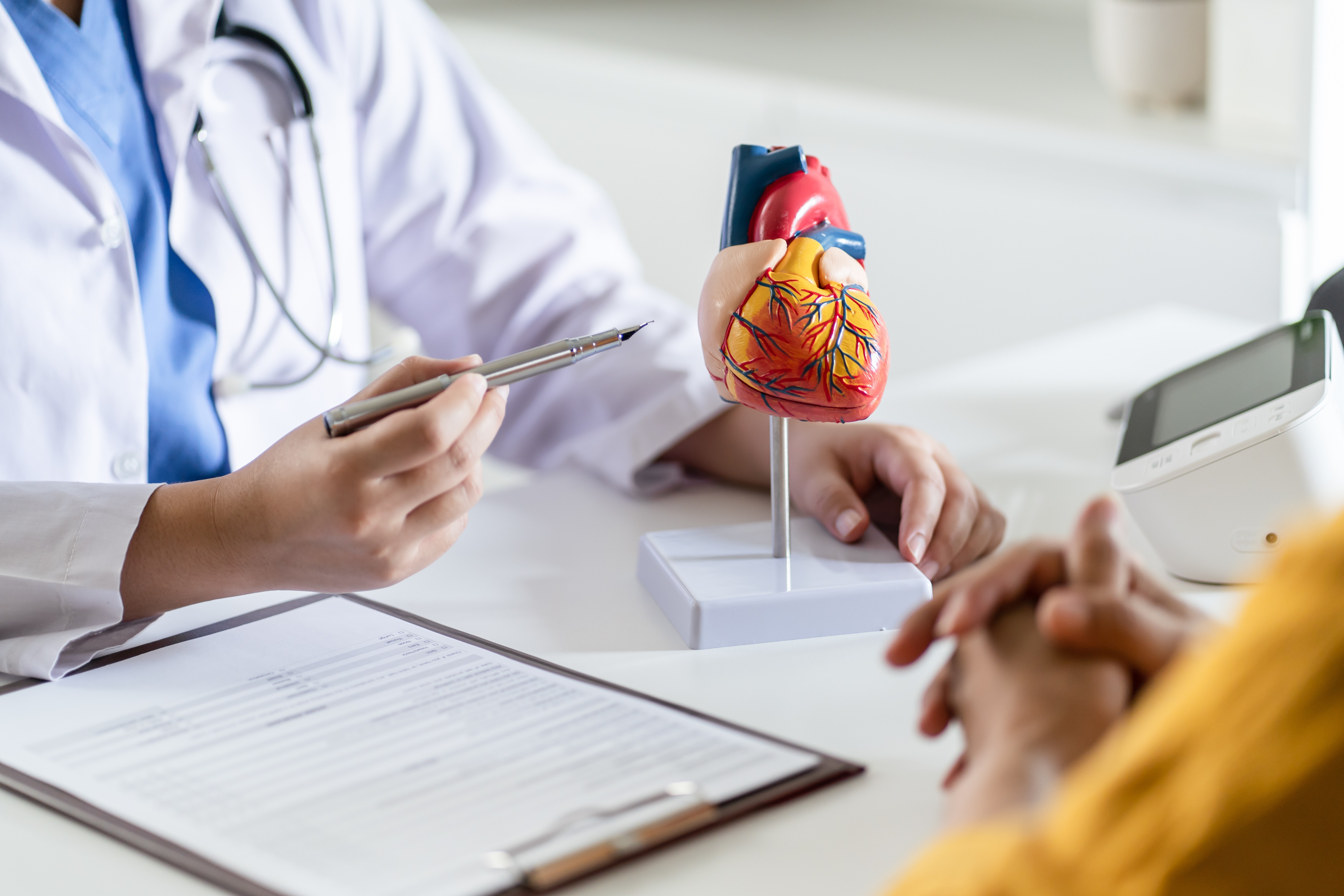
Heart disease remains the leading cause of death in the United States, and South Florida is no exception. According to the CDC, cardiovascular disease accounts for nearly 1 in 5 deaths nationwide — with elevated prevalence in communities with high rates of hypertension, diabetes, and obesity.¹
At Heart and Vascular Centers of South Florida, our mission is to educate patients and help them prevent heart disease before it becomes a problem.
Who Is At Risk?
Several risk factors are especially common in South Florida:
1. High Blood Pressure (Hypertension)
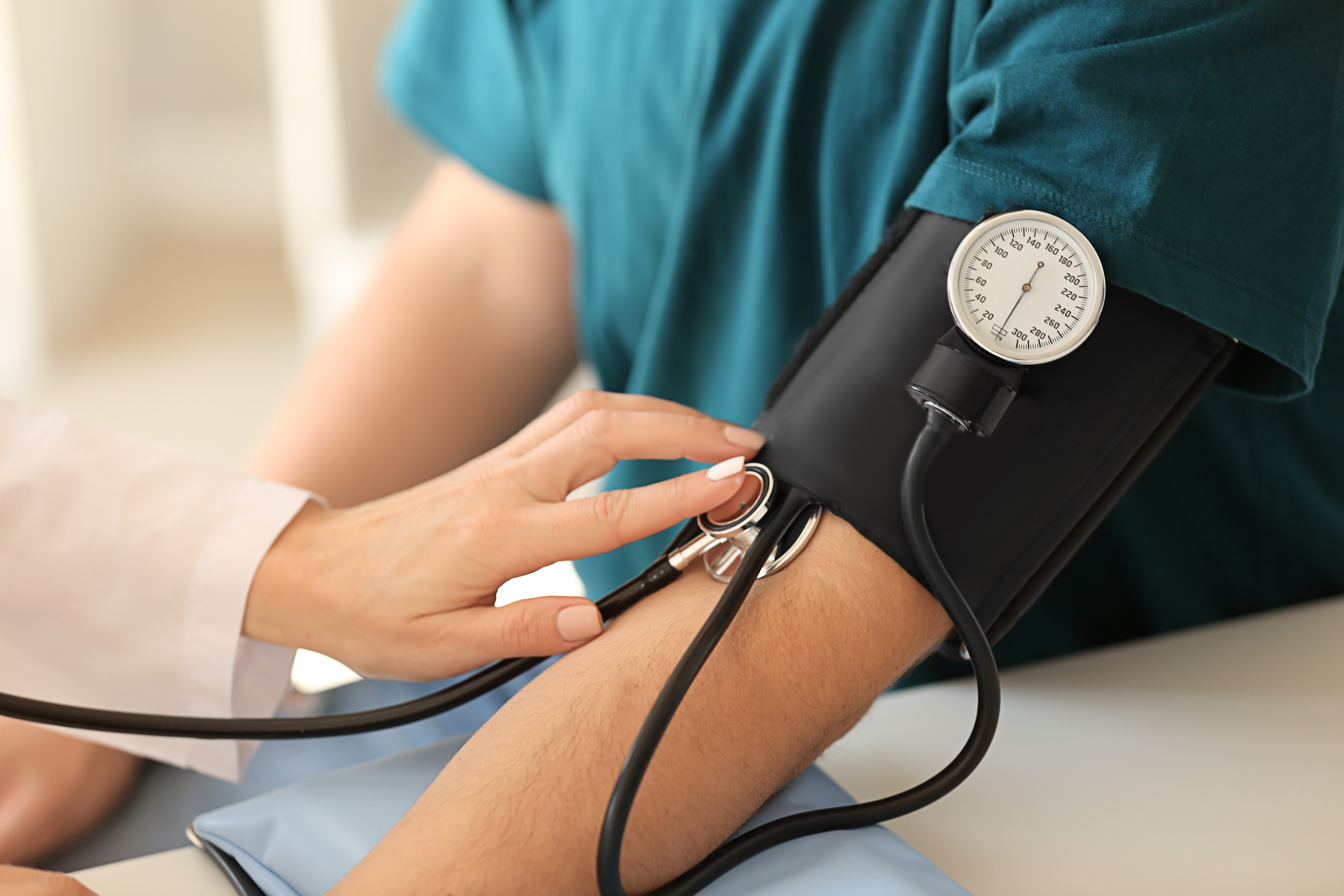
Nearly half of American adults have high blood pressure, which significantly increases heart attack and stroke risk.²
2. Diabetes
Diabetes accelerates atherosclerosis and doubles cardiovascular risk.³
3. Obesity & Sedentary Lifestyle
Lack of physical activity is strongly linked to coronary artery disease.⁴
4. Family History
A family history of early heart disease increases personal risk. Genetic factors matter.
Common Symptoms to Watch For
Some signs of heart disease include:
Chest pain or discomfort
Shortness of breath
Fatigue
Irregular heartbeat
Pain in arms, neck, jaw, or back
Women may experience subtler symptoms such as nausea or fatigue.⁵
Prevention Starts Today
Eat Heart-Healthy
Choose Mediterranean-style, low sodium diets.
Move More
150 minutes of exercise per week reduces cardiac risk.⁶
Control Blood Pressure & Cholesterol
Regular checkups and medication management save lives.
Conclusion
Early prevention and professional cardiac screening are critical — especially in high-risk populations.
Sources
CDC CVD Stats – cdc.gov
Hypertension Prevalence – jamanetwork.com
Diabetes & Heart Disease – diabetesjournals.org
Physical Activity & Cardiac Risk – heart.org
Women and Heart Disease – nih.gov
Exercise Recommendations – health.gov
This article is for educational purposes only and is not a substitute for professional medical advice, diagnosis, or treatment. Always seek the advice of your physician with any questions regarding a medical condition. If you think you are having a medical emergency, call 911.
Questions about your heart health?
Our cardiology team can help you understand your risk and your next steps.