Heart Health
Prevention 101: The Importance of Cardiac Screening & Heart Health Exams
·
1 min read
·
Heart & Vascular Center

Most people don’t know they have heart disease until it’s advanced. That’s why preventive cardiology matters.
Regular cardiac screening can uncover issues — sometimes before symptoms develop.
Diagnostic Tools Every Patient Should Know
Coronary Calcium Score (CT Scan)
A non-invasive scan that detects early plaque buildup in arteries.
Lipoprotein & Cholesterol Panels
Beyond standard lipids, advanced markers like ApoB can refine risk.¹
ECG & Stress Testing
Detect arrhythmias, exercise response, and silent ischemia.²
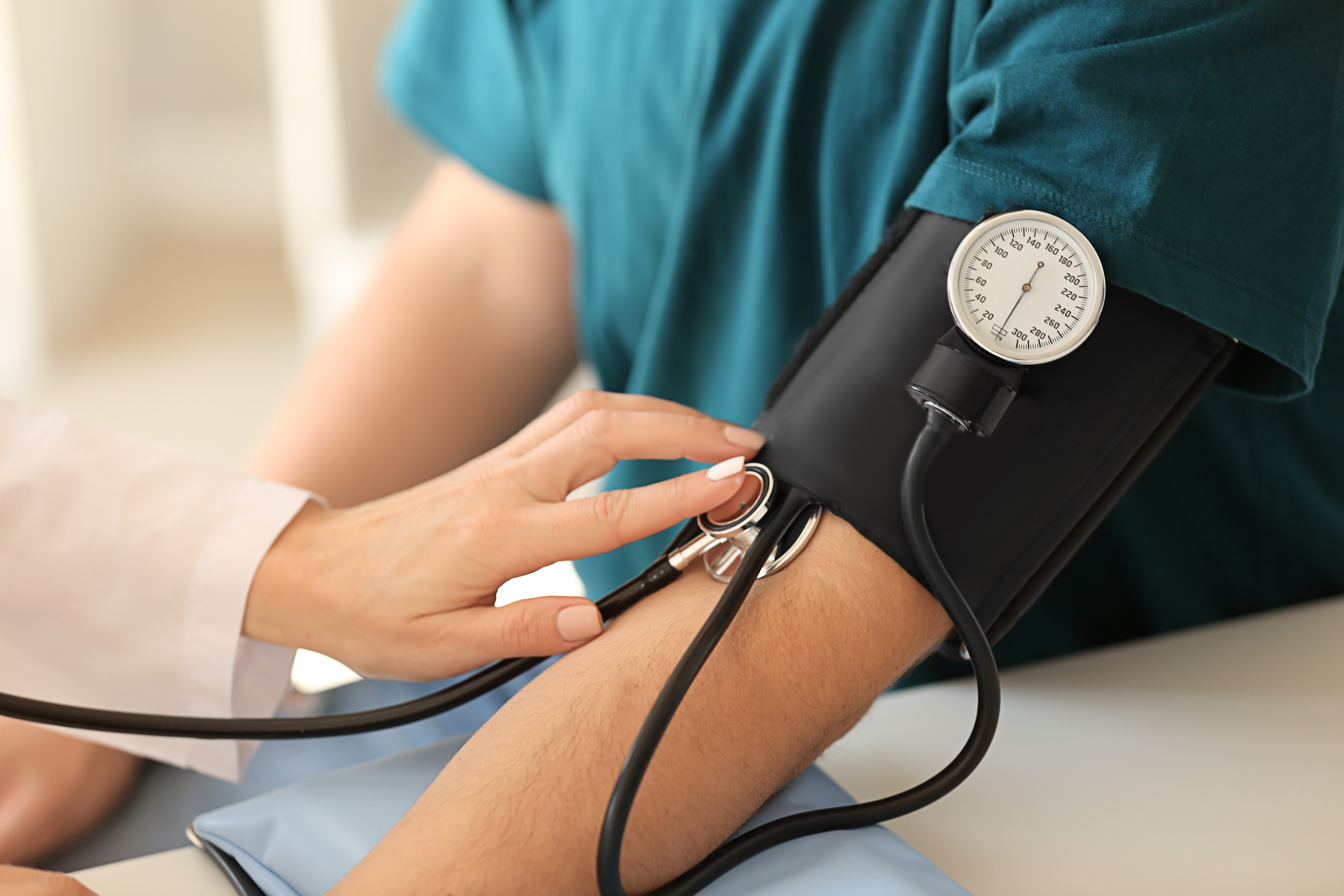
Blood Pressure Monitoring
Ambulatory blood pressure measurements catch masked hypertension.
Who Should Be Screened
Adults over 40
Family history of early cardiac disease
Patients with diabetes or hypertension
Smokers
Individuals with high cholesterol
Why It Matters
Silent cardiac disease can progress without obvious symptoms — but early detection reduces emergency interventions and improves outcomes.³
Prevention saves lives.
Sources
Advanced Lipid Testing – ahajournals.org
ECG & Stress Testing – ascvd.org
Early Detection & Outcomes – Memorial Regional Hospital
This article is for educational purposes only and is not a substitute for professional medical advice, diagnosis, or treatment. Always seek the advice of your physician with any questions regarding a medical condition. If you think you are having a medical emergency, call 911.
Questions about your heart health?
Our cardiology team can help you understand your risk and your next steps.